
Metabolism refers to the chemical processes that occur within the body to maintain life, including the breakdown and elimination of substances alcoholism symptoms like alcohol. When it comes to alcohol, the liver plays a central role in metabolism, as it contains enzymes that break down alcohol into byproducts that can be excreted. This variability means that some people can process and eliminate alcohol more quickly than others, directly impacting how long it remains in their bloodstream. Younger adults generally process alcohol more efficiently than older individuals due to differences in liver function and muscle mass. For example, a 25-year-old may eliminate alcohol faster than a 55-year-old consuming the same amount. Similarly, individuals with higher muscle mass and lower body fat tend to metabolize alcohol quicker, as muscle tissue contains more water, diluting alcohol concentration.
- Low-level drinking is less risky than heavy or binge drinking, but even small amounts of alcohol can contribute to the development of certain diseases.
- Your free newsletter guide to the best London has on offer, from drinks deals to restaurant reviews.
- If you’re unsure, it’s always safest to wait longer or use reliable methods, such as a breathalyzer, to ensure sobriety.
- Yes, depending on how much alcohol was consumed, a breathalyzer can detect it for up to 24 hours.
Request a Confidential Call From Paramount Recovery Centers
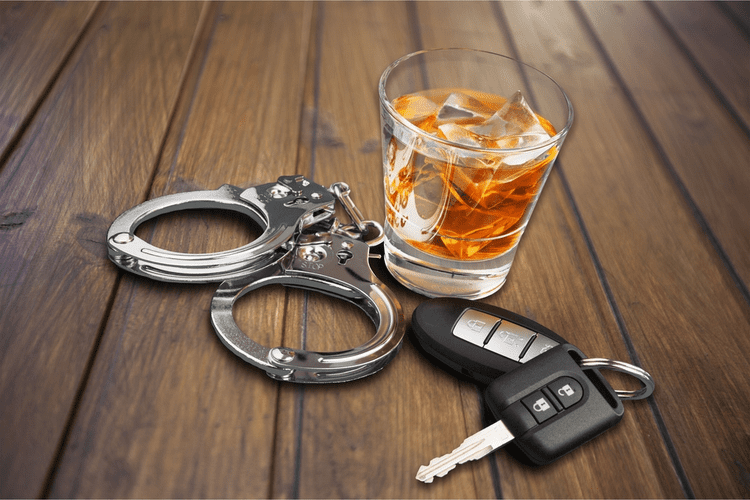
Factors such as genetics, medication use, and liver https://vilaraperfumes.com/hangxiety-the-link-between-alcohol-and-anxiety/ disease can also affect alcohol metabolism and how long alcohol stays in your system. However, excessive alcohol consumption can overwhelm the liver’s ability to metabolize alcohol, leading to a buildup of acetaldehyde in the body. This can cause a range of symptoms, including nausea, vomiting, and headaches.
Does alcohol slow metabolism?
It uses an enzyme called alcohol dehydrogenase to break down the alcohol in your bloodstream. This process occurs at a relatively constant rate, removing roughly one standard drink per hour for men. If you consume more alcohol than your liver can process, the excess circulates in your bloodstream until your liver can catch up. This is why your blood alcohol content (BAC) rises when you drink faster than your body can metabolize the alcohol. You can learn more about BAC with Reframe’s Blood Alcohol Content (BAC) Calculator.
- For instance, a BAC of 0.08% means 0.08 grams of alcohol per 100 milliliters of blood, the legal limit for driving in many regions.
- This process follows the five half-life rule – alcohol’s half-life spans 4 to 5 hours, meaning complete elimination occurs after five half-lives.
- Consuming alcohol on an empty stomach can lead to a faster absorption of alcohol into the bloodstream, resulting in higher BAC levels.
- Coffee, cold showers, exercise, or other remedies don’t accelerate alcohol metabolism.
- However, these tests are more expensive and time-consuming compared to other methods.
What Are the Benefits of Not Drinking Alcohol?
- Carbohydrate-rich foods, while providing quick energy, do little to slow alcohol absorption.
- Medications and other substances can interact with alcohol, affecting metabolism.
- These conditions can have significant health consequences and may even be life-threatening.
- A BAC above 0.02% indicates unsafe levels, leading to impaired judgment and visual functioning.
- However, this is just an estimate, and other factors can influence the timeline.
For deeper insights into changing your relationship with alcohol, explore Reframe’s Mindful Drinking resources and learn effective strategies for making lasting changes. A single 200ml BuzzBallz contains a 15% alcohol by volume (ABV), which is significantly more potent than a standard beer and equates to roughly 1.7 standard US drinks. Consequently, the time it takes for 1 BuzzBallz to stay in your system is considerably longer than a single light alcoholic beverage. Alcohol, or ethanol, quickly enters the bloodstream after consumption, impacting nearly every organ. The liver metabolises most of the how long does alcohol stay in your system alcohol, breaking it down into acetaldehyde, a toxic compound, and then into acetate, which the body safely eliminates. Drinking water helps to replace some of the water lost during alcohol consumption, decreasing your chances of becoming dehydrated.